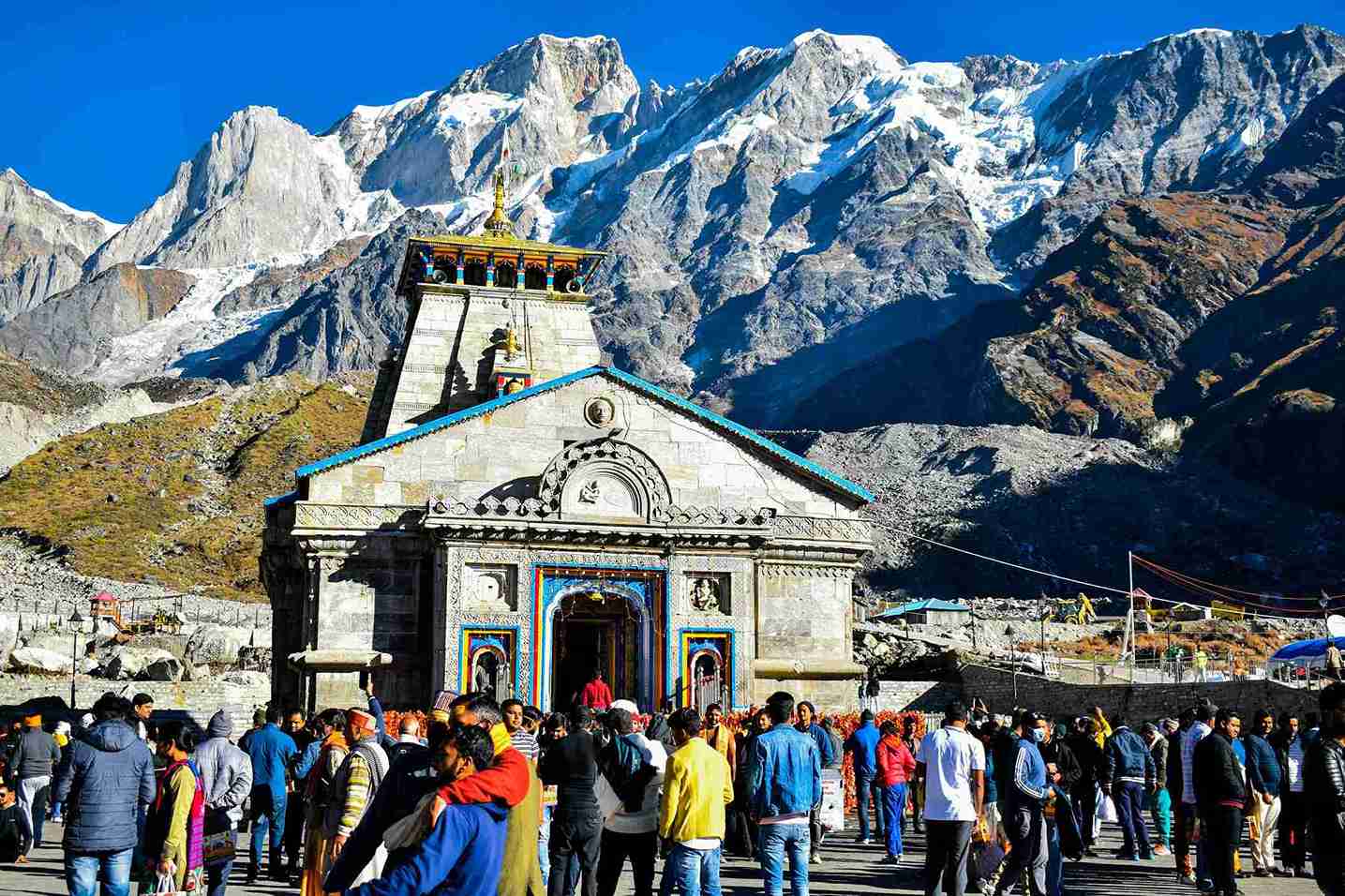
Best Kedarnath Trip Budget: Complete Trip Guide for 2026
Planning a Kedarnath trip in 2026? Knowing your Kedarnath trip budget in advance can help you manage travel, accommodation, food, trekking and other expenses without overspending. Whether you are travelling from Delhi, Haridwar or Rishikesh, a little preparation can make your pilgrimage more comfortable.
Located in the Garhwal Himalayas of Uttarakhand, Kedarnath is one of the twelve Jyotirlingas of Lord Shiva and an important destination in the Char Dham Yatra. The journey combines spiritual devotion, a challenging mountain trek and spectacular Himalayan scenery.
In this guide, you will find an estimated Kedarnath trip budget, a 4-day itinerary, transportation options, trekking expenses, accommodation costs, packing essentials and practical tips to help you plan your journey.
Kedarnath Trip Overview
| Details | Information |
| Destination | Kedarnath, Uttarakhand |
| Starting Point | Delhi, Haridwar or Rishikesh |
| Ideal Duration | 4 Days |
| Trek Distance | Approximately 16–18 km |
| Best Time to Visit | May–June and September–October |
| Estimated Budget | ₹3,500–₹25,000+ per person |
| Main Attraction | Kedarnath Temple |
| Travel Options | Bus, train, taxi and helicopter |
| Trek Difficulty | Moderate to challenging |
Note: Budget figures are approximate planning estimates, not guaranteed 2026 fares. Actual expenses depend on your departure city, travel dates, availability and chosen services.
Suggested 4-Day Kedarnath Trip Itinerary
A 4-day itinerary is suitable for travellers who want to complete the pilgrimage from the Haridwar or Rishikesh region, provided transport connections and weather conditions allow.
| Day | Travel Plan |
| Day 1 | Reach Haridwar or Rishikesh and travel to Sonprayag or Gaurikund |
| Day 2 | Trek from Gaurikund to Kedarnath and stay overnight |
| Day 3 | Visit Kedarnath Temple, attend darshan and trek back |
| Day 4 | Return to Haridwar or Rishikesh |
Allow extra time for weather disruptions, road closures, queues or physical rest. During busy pilgrimage periods, a 5-day plan may be more comfortable.
Why Visit Kedarnath?
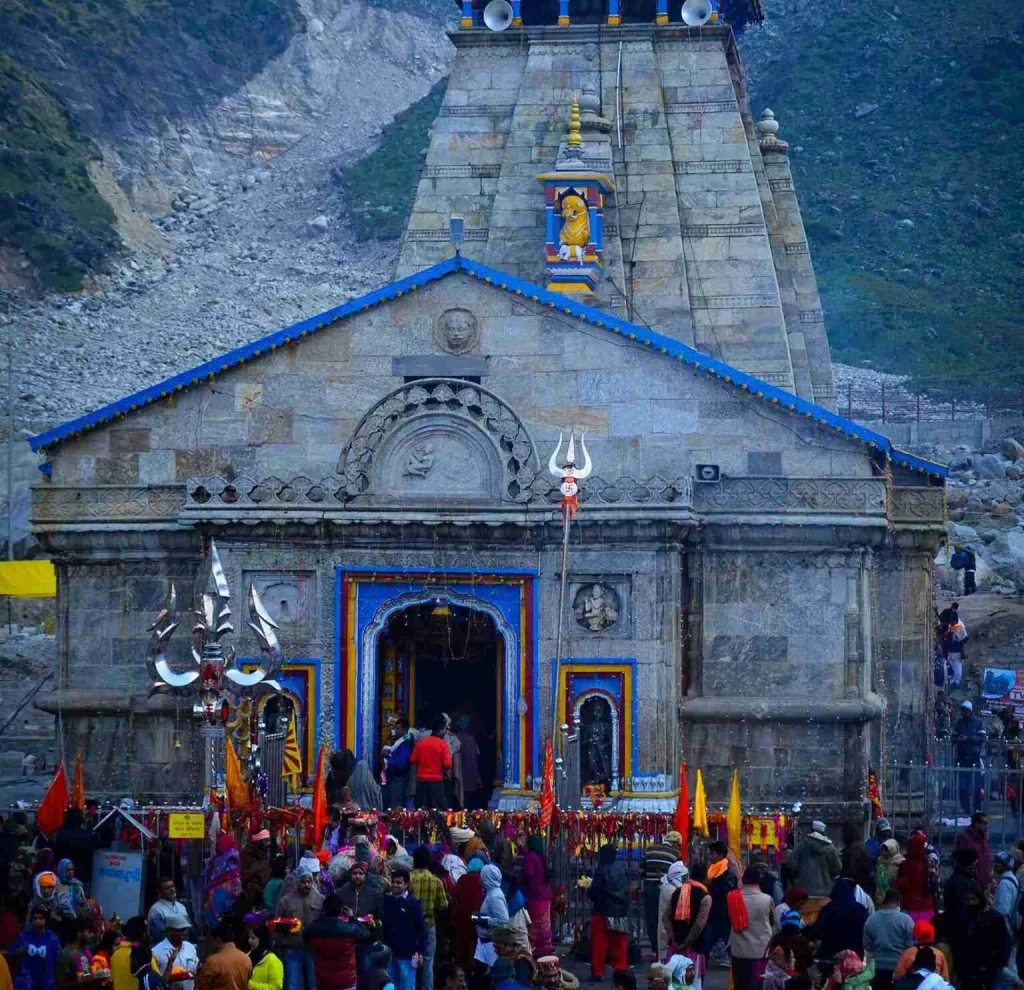
Kedarnath is a significant spiritual destination surrounded by towering Himalayan peaks, glaciers and beautiful mountain landscapes. The ancient temple, dedicated to Lord Shiva, attracts pilgrims from across India.
The journey from Gaurikund is an important part of the experience. Along the trekking route, visitors encounter mountain streams, waterfalls, scenic valleys and changing Himalayan landscapes. You can also visit Bhairavnath Temple, attend the temple aarti and enjoy the peaceful surroundings.
Whether you are travelling for religious reasons, mountain scenery or a personal trekking experience, Kedarnath offers a memorable Himalayan pilgrimage.
Best Time to Visit Kedarnath

The best time to visit Kedarnath generally falls during the pilgrimage season, particularly May–June and September–October. Weather conditions can change rapidly at high altitude, so always check official advisories before travelling.
May to June
This is a popular period for pilgrimage and trekking, with relatively favourable daytime conditions. Expect larger crowds, particularly during holidays and peak pilgrimage dates.
July to August
The monsoon brings heavy rainfall, landslide risks and possible road or trekking-route disruptions. Travel requires extra caution, and visitors should follow local administration advisories.
September to October
This period often offers clearer skies and cooler weather, although conditions can deteriorate as winter approaches.
Winter
The main temple closes seasonally, and the deity is worshipped at Ukhimath during the winter months.
Check the official Uttarakhand Yatra registration portal for registration and current pilgrimage information before departure.
Things to Do in Kedarnath
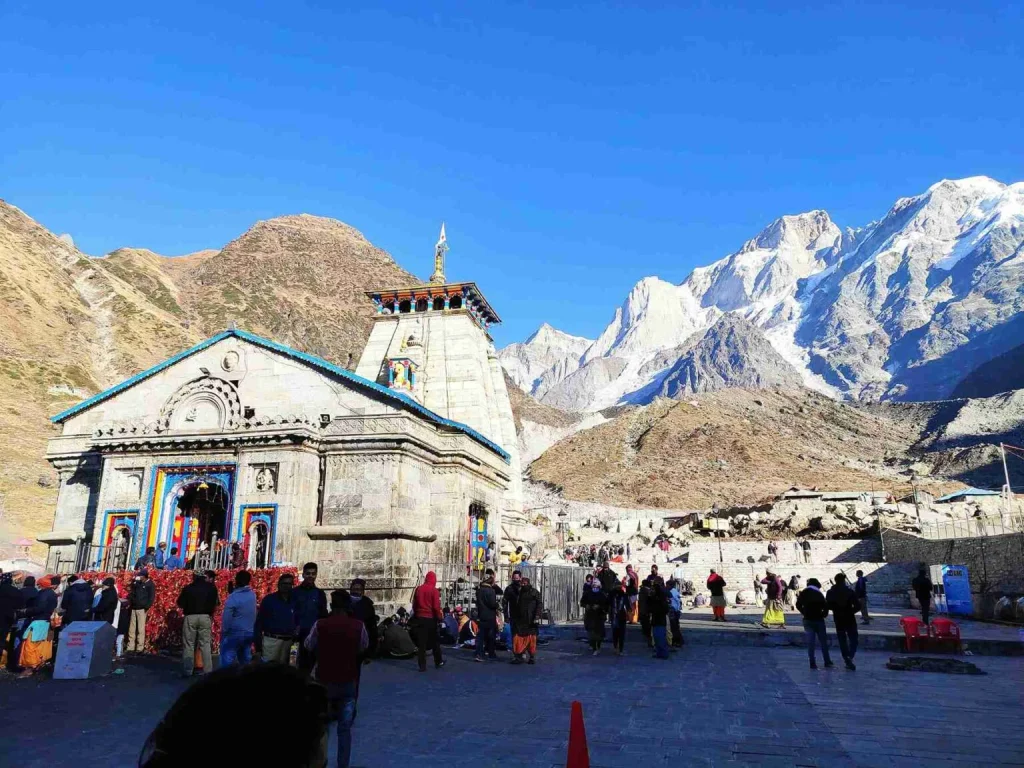
1. Visit Kedarnath Temple
Seek blessings at this revered Jyotirlinga shrine, one of the most important pilgrimage destinations dedicated to Lord Shiva.
2. Trek from Gaurikund
Experience the mountain scenery along the pilgrimage route, with beautiful valleys, waterfalls and Himalayan landscapes.
3. Attend Morning or Evening Aarti
Participate in the temple’s spiritual atmosphere and experience the devotional rituals, subject to the current schedule.
4. Visit Bhairavnath Temple
Explore the nearby temple, situated around 500 metres from Kedarnath Temple, and enjoy the surrounding mountain views.
5. Enjoy Himalayan Views
Admire the surrounding peaks, valleys and dramatic mountain landscape while experiencing the peaceful atmosphere of the region.
Kedarnath Trip Budget Breakdown
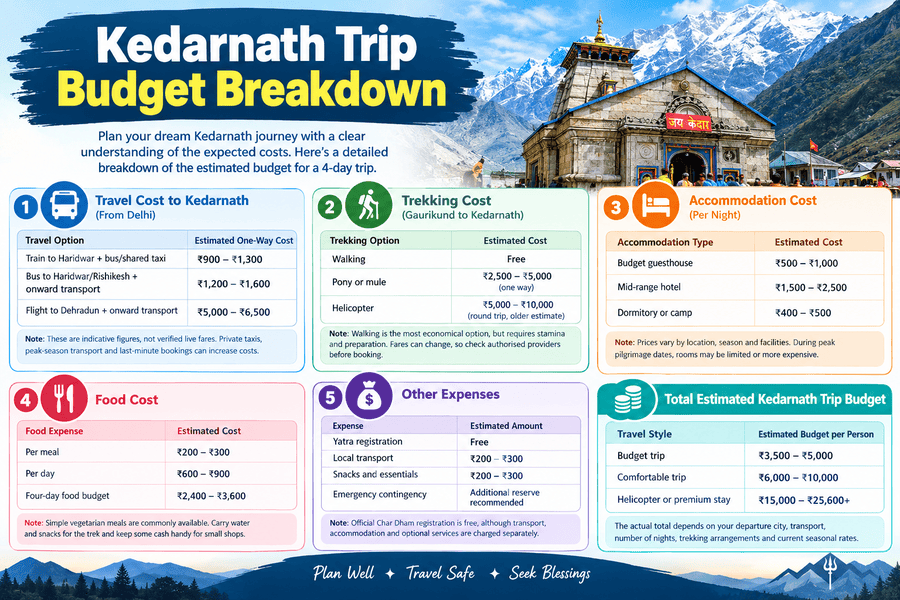
Your total Kedarnath trip budget depends on your travel route, accommodation, trekking method and food preferences. The following estimates provide a starting point for planning a 4-day trip.
1. Travel Cost to Kedarnath
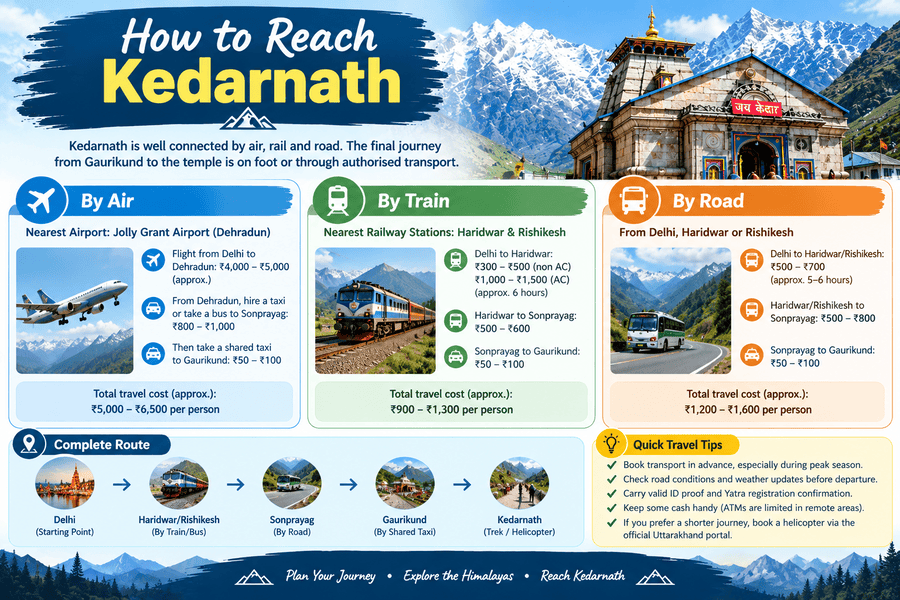
The journey usually involves travelling to Haridwar or Rishikesh, continuing by road to Sonprayag and then taking local transport towards Gaurikund.
| Travel Option from Delhi | Estimated One-Way Cost |
| Train to Haridwar + bus/shared taxi | ₹900–₹1,300 |
| Bus to Haridwar/Rishikesh + onward transport | ₹1,200–₹1,600 |
| Flight to Dehradun + onward transport | ₹5,000–₹6,500 |
These are indicative figures, not verified live fares. Private taxis, peak-season transport and last-minute bookings can increase costs considerably.
2. Trekking Cost from Gaurikund to Kedarnath
The trek is one of the major parts of the Kedarnath pilgrimage. The route is approximately 16 km, with a moderate-to-steep ascent.
| Trekking Option | Estimated Cost |
| Walking | Free |
| Pony or mule | ₹2,500–₹5,000 one way |
| Helicopter | ₹5,000–₹10,000 round trip (older estimate) |
Walking is the lowest-cost option, but it requires stamina and preparation for high-altitude conditions. Pony, mule and helicopter fares can change, so check authorised providers before booking.
3. Accommodation Cost
Accommodation prices vary depending on location, season and facilities. Staying in Gaurikund or nearby areas before and after the trek may help with planning.
| Accommodation Type | Estimated Cost per Night |
| Budget guesthouse | ₹500–₹1,000 |
| Mid-range hotel | ₹1,500–₹2,500 |
| Basic dormitory or camp | ₹400–₹500 |
These are approximate planning figures. During peak pilgrimage dates, rooms may be limited or more expensive. Book through verified providers and confirm whether meals, bedding and heating are included.
4. Food Cost
Simple vegetarian meals are commonly available along the pilgrimage route and in nearby towns.
| Food Expense | Estimated Cost |
| Per meal | ₹200–₹300 |
| Per day | ₹600–₹900 |
| Four-day food budget | ₹2,400–₹3,600 |
Carry drinking water and a few suitable snacks for the trek. Keep some cash available for small establishments where digital payment facilities may be unreliable.
5. Other Expenses
Apart from travel, food and accommodation, set aside money for local transport, personal essentials and unexpected expenses.
| Expense | Estimated Amount |
| Yatra registration | Free |
| Local transport | ₹200–₹300 |
| Snacks and essentials | ₹200–₹300 |
| Emergency contingency | Additional reserve recommended |
Official Char Dham registration is free, although transport, accommodation and optional services are charged separately.
Total Estimated Kedarnath Trip Budget
Here is a practical planning comparison for a 4-day pilgrimage. These are indicative budgets, not fixed package prices.
| Travel Style | Estimated Budget per Person |
| Budget trip | ₹3,500–₹5,000 |
| Comfortable trip | ₹6,000–₹10,000 |
| Helicopter or premium stay | ₹15,000–₹25,000+ |
The actual total depends on your departure city, transport, number of nights, trekking arrangements and current seasonal rates. The lowest budget assumes economical transport, basic accommodation and walking the route.
How to Save Money on Your Kedarnath Trip
You can manage your Kedarnath trip budget with a few simple planning decisions.
- Choose economical transport: Compare train and bus fares from your departure city before booking.
- Travel in a group: Sharing taxis and accommodation can reduce individual expenses.
- Book accommodation early: Reserve verified guesthouses before peak pilgrimage dates.
- Walk if physically prepared: Walking avoids pony or helicopter expenses, provided you are fit for the trek.
- Carry essential items: Bring suitable clothing, a reusable water bottle and basic personal supplies to avoid unnecessary purchases.
- Keep an emergency fund: Unexpected delays, weather disruptions and additional accommodation can increase your expenses.
Kedarnath Trip Packing List

Packing appropriately is essential because temperatures can drop quickly and mountain weather can change unexpectedly.
Clothing
- Warm jacket and thermal wear
- Comfortable trekking clothes
- Raincoat or waterproof poncho
- Extra socks and gloves
Footwear and Essentials
- Comfortable trekking shoes with good grip
- Small backpack
- Water bottle
- Sunglasses, cap and sunscreen
Health and Safety
- Personal medicines and first-aid kit
- Power bank and torch
- Valid identity documents
- Cash for small purchases
Consult a healthcare professional if you have concerns about trekking at high altitude, and avoid pushing yourself if you develop symptoms of altitude sickness.
How to Reach Kedarnath
By Air
The nearest major airport is Jolly Grant Airport, near Dehradun. From there, travellers can hire a taxi or use road transport towards Gaurikund. The onward journey requires considerable driving time.
By Train
Haridwar and Rishikesh are popular railway access points for Kedarnath pilgrims. From either station, continue by bus or taxi towards Sonprayag and Gaurikund.
By Road
Kedarnath is accessible by road up to Gaurikund, with the final pilgrimage journey completed on foot or through authorised transport services. The road journey passes through mountainous terrain, so allow sufficient travel time and check road conditions before departure.
Important Travel Tips for Kedarnath
- Complete your mandatory Yatra registration before travelling and carry your registration confirmation.
- Start your trek early, following the current official trekking timings.
- Check weather forecasts and local administration advisories before departure.
- Carry sufficient warm clothing, even during summer.
- Stay hydrated and take regular breaks during the ascent.
- Book accommodation and authorised helicopter services through verified channels.
- Avoid trekking during severe weather or when authorities suspend access.
- Keep emergency contact details handy and follow instructions from local authorities.
For official updates, registration and pilgrimage services, visit the Uttarakhand Char Dham Yatra registration portal and the Rudraprayag district website.
Conclusion
A Kedarnath trip can be planned on a budget with advance preparation, economical transport and suitable accommodation. Walking the trekking route, sharing transport and choosing basic guesthouses can help reduce expenses, while premium stays and helicopter travel require a larger budget.
Beyond the costs, the journey offers a meaningful pilgrimage experience, beautiful Himalayan scenery and an opportunity to explore Uttarakhand’s mountain landscapes. Plan your itinerary carefully, prepare physically for the trek and keep extra time and money available for unexpected changes.
With the right preparation, you can make your Kedarnath Yatra in 2026 more comfortable, organised and memorable.

One Comment