10 Best Places to Visit in South India in March
March is a great month to explore South India beyond its familiar tourist circuit. As summer approaches, temperatures begin to rise across many plains and coastal areas, making hill escapes, forest regions, and heritage destinations especially appealing. With the right itinerary, you can enjoy scenic drives, ancient architecture, peaceful countryside, and outdoor experiences before the hotter months arrive.
If you have already visited popular destinations such as Munnar, Ooty, Coorg, Hampi, Wayanad, and Pondicherry, consider exploring somewhere different this March. Here are 10 best places to visit in South India in March for nature lovers, history enthusiasts, couples, and families.
1. Yelagiri, Tamil Nadu
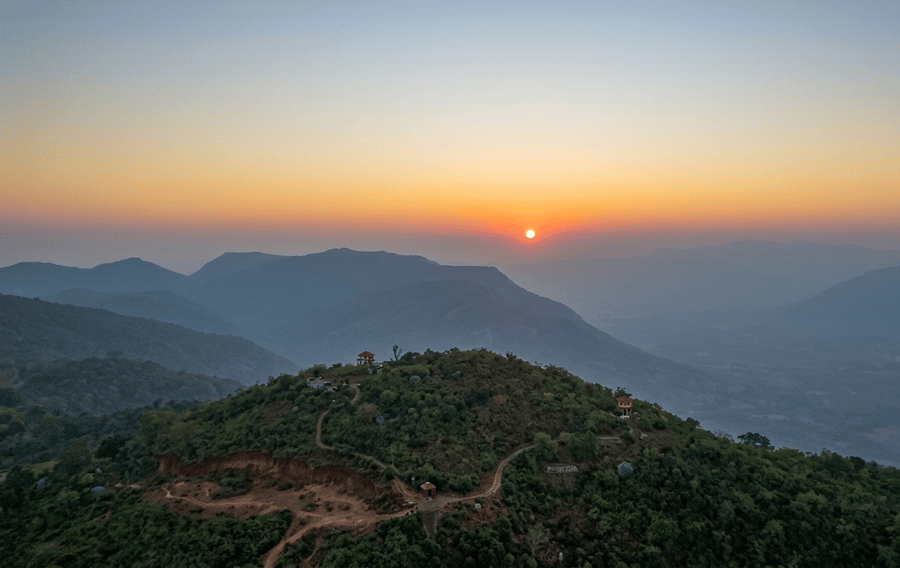
Yelagiri is a peaceful hill station with wooded slopes, orchards, and a relaxed atmosphere. It makes a refreshing short break from the warmer plains, especially for travellers who want a simple hill holiday without a packed sightseeing schedule.
Best things to do: Visit Punganoor Lake, enjoy views from the hill roads, explore Jalagamparai Waterfalls if conditions permit, and take a gentle nature walk.
Best time to visit: November to March.
How to reach: Jolarpettai is a useful railway gateway. Continue by road to Yelagiri, allowing extra time for the winding hill route.
Best for: Families, couples, and short weekend trips.
2. Sakleshpur, Karnataka
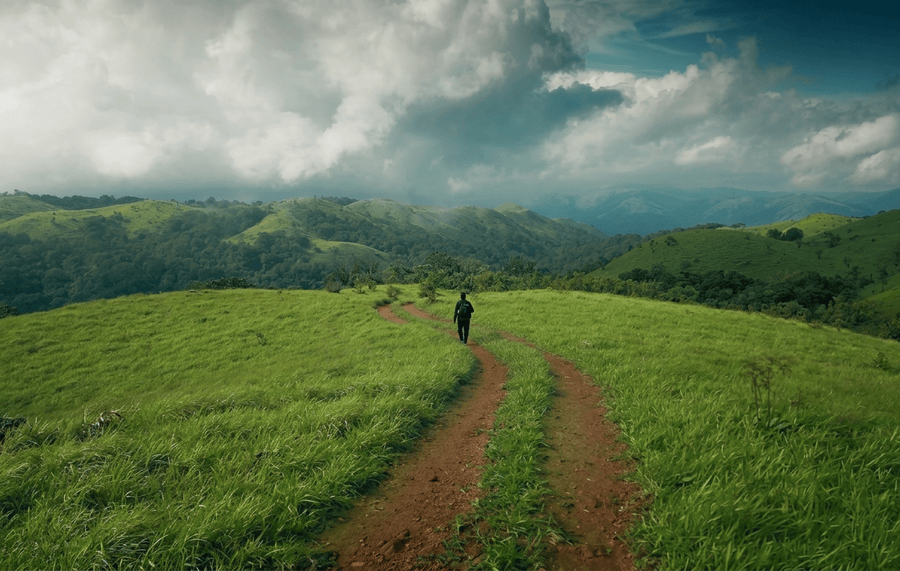
Sakleshpur is a scenic hill region known for coffee estates, forested slopes, and quiet countryside. March can be warmer than the winter months, but the elevated setting and plantation scenery make it appealing for a relaxed nature break.
Best things to do: Explore coffee plantations, enjoy countryside drives, visit viewpoints, and discover historic Manjarabad Fort.
Best time to visit: October to March for generally comfortable sightseeing.
How to reach: Hassan is a useful railway gateway, while Mangaluru is a major airport option. Continue by road to Sakleshpur.
Best for: Couples, families, and road-trip enthusiasts.
3. Kudremukh, Karnataka
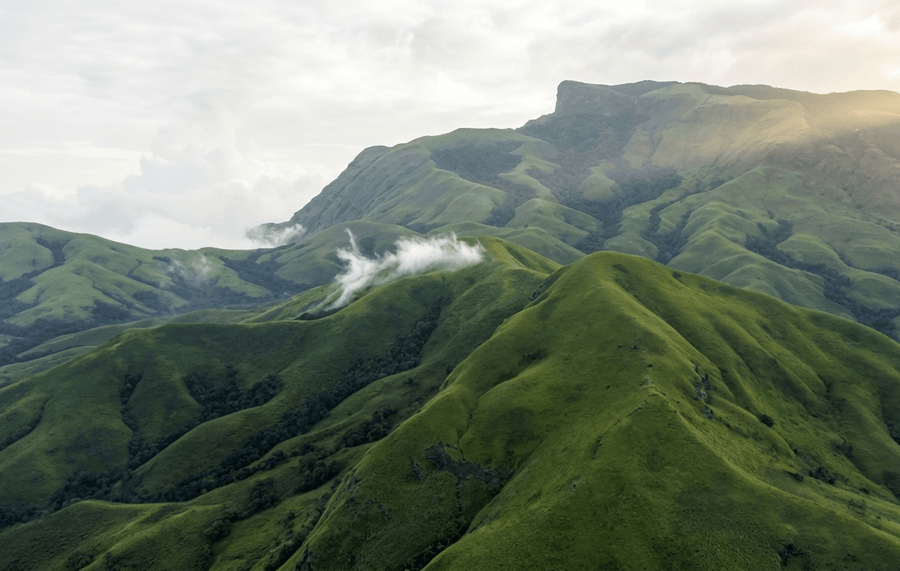
Kudremukh is known for its dramatic mountain landscapes, rolling grasslands, and trekking routes. March can be suitable for outdoor exploration, but trekking conditions and access rules should be checked before planning a hike.
Best things to do: Enjoy mountain viewpoints, explore the surrounding countryside, and consider an authorised trek if permits and local conditions allow.
Best time to visit: October to March, subject to trail conditions.
How to reach: Mangaluru is a major airport gateway. The final journey is by road, and travel time depends on your starting point and route.
Best for: Trekkers, photographers, and nature lovers.
4. Agumbe, Karnataka
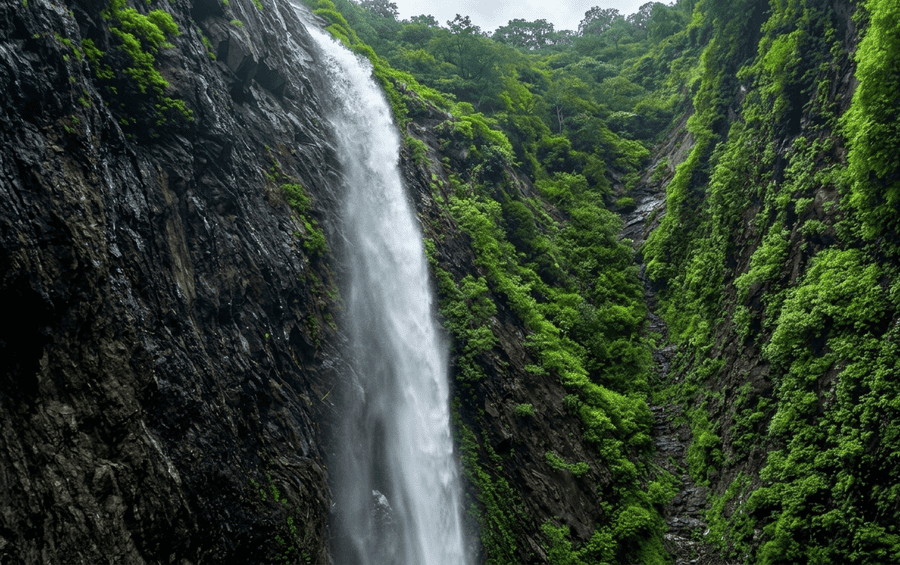
Agumbe is a rainforest destination famous for its lush scenery, winding roads, and panoramic views of the Western Ghats. March is generally warmer and less rainy than the monsoon period, making it a possible time for nature walks and viewpoint visits.
Best things to do: Visit sunset viewpoints, explore the surrounding rainforest region with a local guide, and discover nearby waterfalls where access is open.
Best time to visit: October to March for generally drier travel conditions.
How to reach: Udupi or Shivamogga can serve as railway gateways. Continue by road through the Western Ghats.
Best for: Nature lovers, photographers, and peaceful getaways.
5. Bheemeshwari, Karnataka
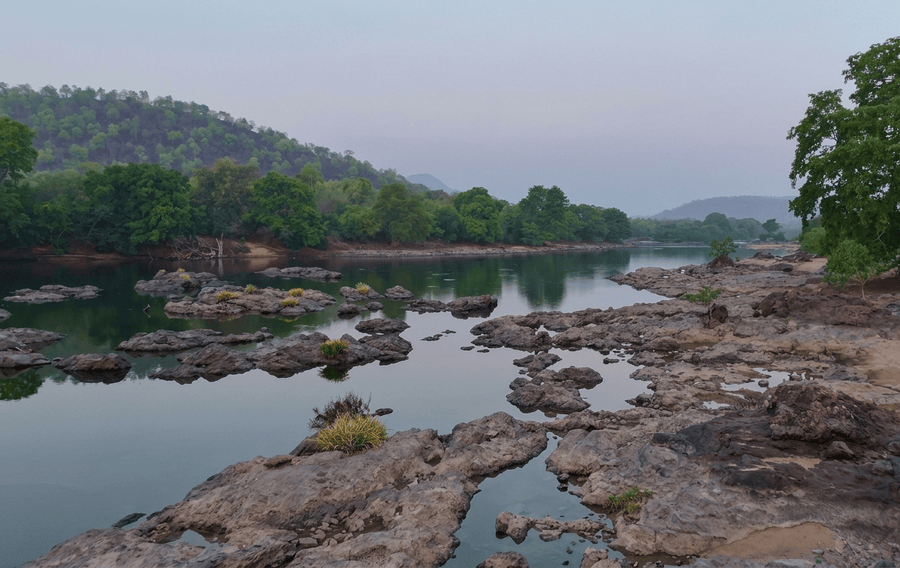
Bheemeshwari is a riverside nature destination along the Cauvery, known for forest scenery and outdoor experiences. It can be a good short escape from Bengaluru, particularly for travellers who want a break from city life.
Best things to do: Enjoy guided nature activities, explore riverside surroundings, and consider authorised outdoor experiences offered by local operators.
Best time to visit: October to March, with activity availability depending on local conditions.
How to reach: Bengaluru is the main gateway. The destination is reached by road, so check the route and travel time before leaving.
Best for: Families with older children, groups, and nature enthusiasts.
6. Badami, Karnataka
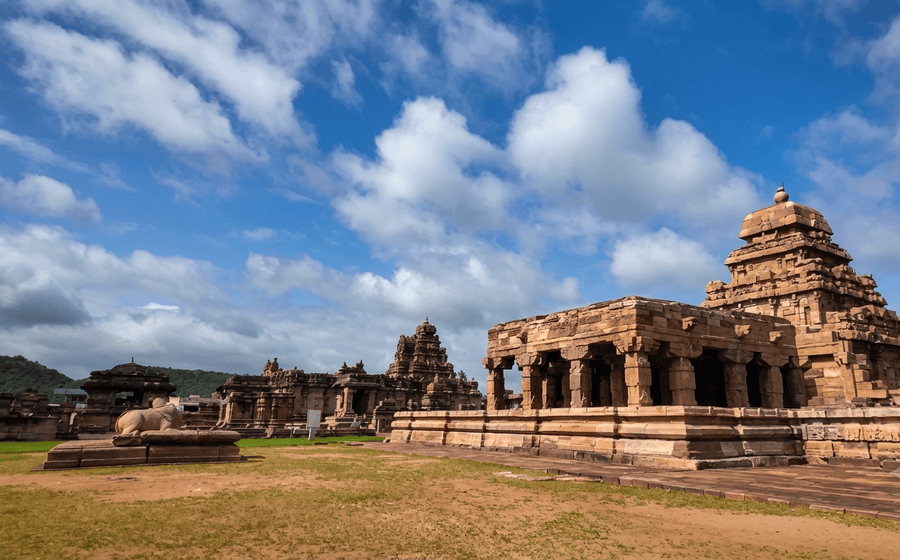
Badami is a heritage destination known for its sandstone cliffs, cave temples, and historic architecture. March can be hot during the afternoon, so plan sightseeing early in the day and take breaks during the warmer hours.
Best things to do: Explore the Badami Cave Temples, visit Agastya Lake, see the Bhutanatha Temples, and enjoy the views from the surrounding cliffs.
Best time to visit: October to February is cooler; March is suitable for early-morning sightseeing.
How to reach: Badami has a railway station. Hubballi is another useful regional gateway, followed by a road journey.
Best for: History lovers, photographers, and cultural travellers.
7. Aihole, Karnataka
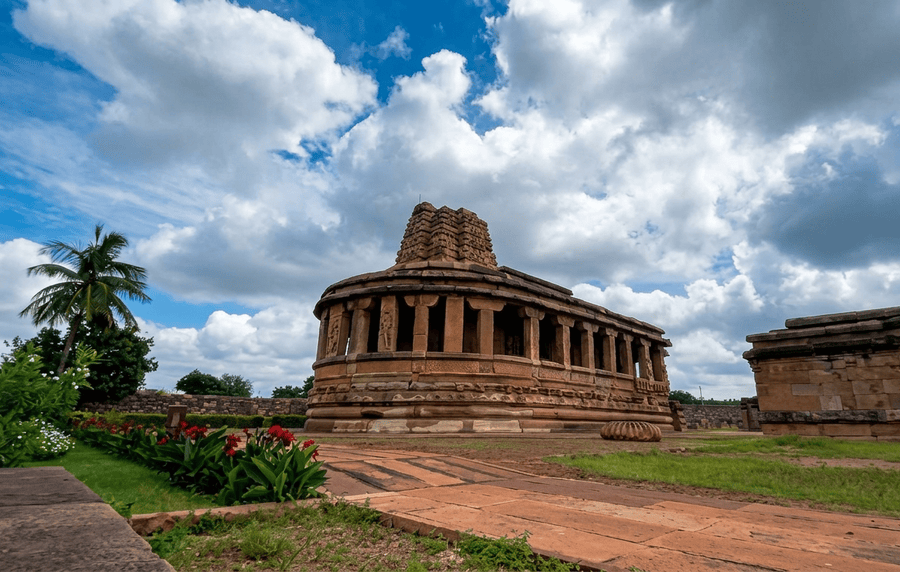
Aihole is an important heritage site with an impressive collection of early temple architecture. It is a rewarding stop for travellers interested in South India’s architectural history and can be combined with Badami and Pattadakal.
Best things to do: Explore the Durga Temple complex, visit historic shrines, and observe the distinctive architectural styles across the site.
Best time to visit: October to February is generally more comfortable; in March, visit early to avoid the strongest afternoon heat.
How to reach: Aihole is commonly reached by road from Badami or other nearby towns. Arrange local transport if combining several heritage sites.
Best for: History enthusiasts, architecture lovers, and cultural trips.
8. Pattadakal, Karnataka
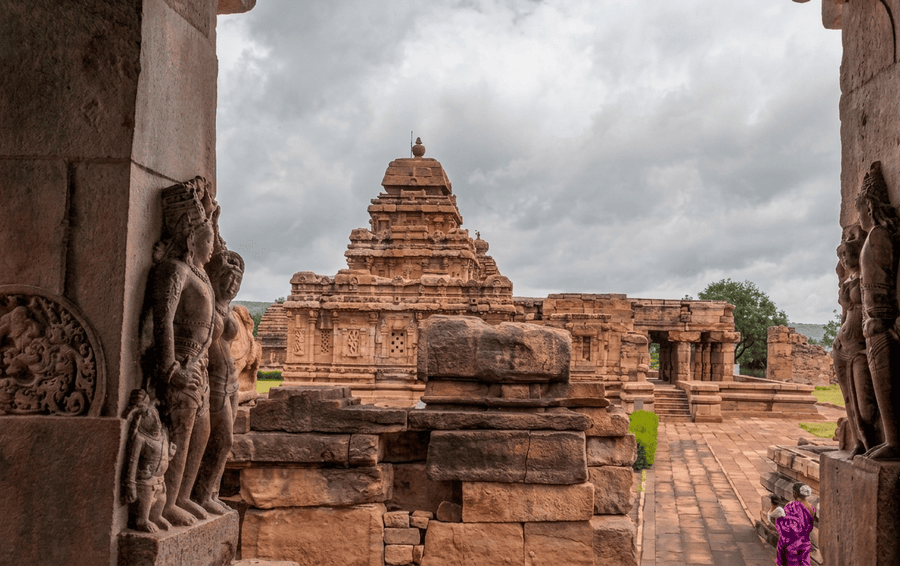
Pattadakal is recognised for its remarkable temple architecture and historical importance. Its monuments make it a memorable destination for travellers exploring the heritage circuit around Badami and Aihole.
Best things to do: Explore the temple complex, admire the carved stone architecture, and learn about the region’s historic dynasties.
Best time to visit: October to February is cooler; March is best for morning sightseeing.
How to reach: Pattadakal is reached by road, often as part of a trip from Badami or Aihole. Plan the route in advance to avoid rushing between sites.
Best for: Families, heritage lovers, and architecture enthusiasts.
9. Thanjavur, Tamil Nadu
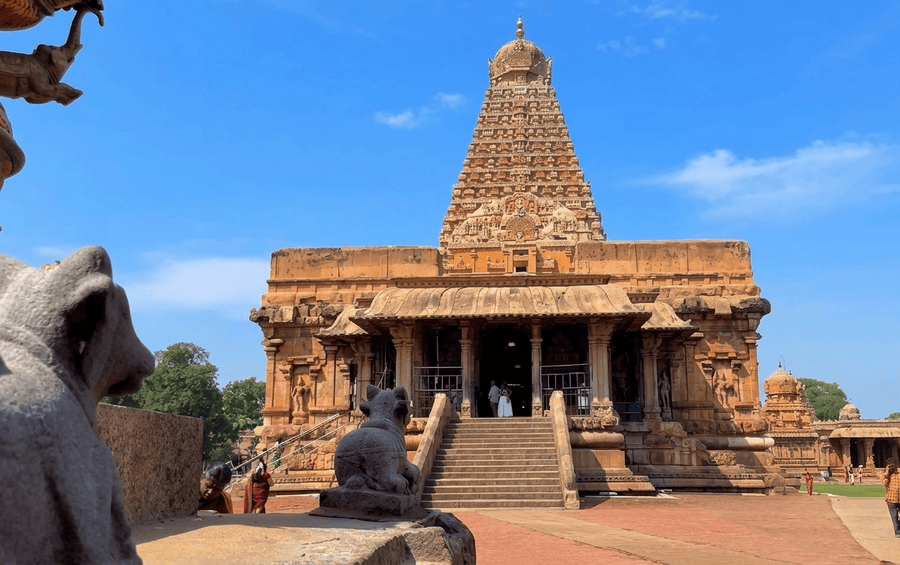
Thanjavur is a cultural destination known for Chola heritage, classical art, and the magnificent Brihadeeswarar Temple. March can be warm, so early visits are best for exploring the main monuments comfortably.
Best things to do: Visit Brihadeeswarar Temple, explore the Thanjavur Maratha Palace, discover local art traditions, and try regional Tamil cuisine.
Best time to visit: November to February is generally cooler; March works well with an early sightseeing schedule.
How to reach: Thanjavur has a railway station. Tiruchirappalli is the nearest major airport, followed by a road journey.
Best for: Families, cultural travellers, and history enthusiasts.
10. Chettinad, Tamil Nadu
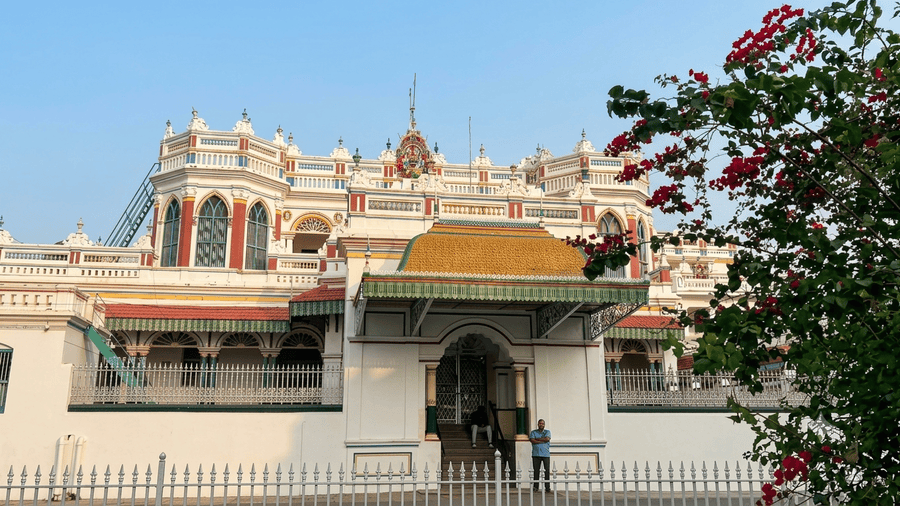
Chettinad is known for its heritage mansions, distinctive architecture, and rich regional cuisine. It offers a different kind of South India getaway, centred on culture, food, and exploring historic towns rather than hill scenery.
Best things to do: Visit heritage mansions where access is permitted, explore local streets, admire traditional architecture, and sample Chettinad cuisine.
Best time to visit: November to February is generally more comfortable; March is suitable for morning walks and planned visits.
How to reach: Karaikudi is a useful railway gateway. Continue by road to explore the surrounding Chettinad towns.
Best for: Food lovers, heritage enthusiasts, and cultural travellers.
“Before planning your visit, explore the official Sivaganga district tourism guide for information about Chettinad mansions, Kanadukathan, and nearby heritage attractions.”
Best Places to Visit in South India in March with Family
For a family holiday, choose destinations with manageable travel times and a mix of sightseeing and relaxed activities.
- Yelagiri: A simple hill escape with a lake and scenic surroundings.
- Sakleshpur: Coffee estates, countryside drives, and heritage attractions.
- Bheemeshwari: Riverside nature and outdoor activities for families with older children.
- Badami: Historic caves and temple architecture.
- Thanjavur: Cultural sightseeing and major heritage landmarks.
- Chettinad: Heritage homes, local food, and traditional architecture.
If travelling with young children or older adults, avoid packing too many destinations into one trip. Staying two or three nights in one region can make the holiday more comfortable.
Travel Tips for South India in March
- Start sightseeing early: March afternoons can be hot, especially in plains and heritage towns.
- Pack for different climates: Carry breathable clothing for lowland destinations and a light layer for hill areas.
- Check access before trekking: Confirm permits, trail conditions, and local guidance for Kudremukh and other outdoor destinations.
- Plan heritage visits by location: Badami, Aihole, and Pattadakal can be combined in one regional itinerary.
- Keep your route realistic: Choose nearby destinations instead of trying to cover several states in a short holiday.
Conclusion
From the peaceful hills of Yelagiri and Sakleshpur to the rainforest scenery of Agumbe and the historic monuments of Badami, Aihole, Pattadakal, and Thanjavur, South India offers plenty of variety in March.
These best tourist places in South India in March are ideal for travellers seeking nature, culture, heritage, and family-friendly experiences beyond the usual tourist circuit. Choose destinations that match your interests, plan around warmer afternoons, and enjoy a memorable March getaway.
FAQs
1. Which are the best places to visit in South India in March?
Yelagiri, Sakleshpur, Kudremukh, Agumbe, Bheemeshwari, Badami, Aihole, Pattadakal, Thanjavur, and Chettinad are good options for a different March itinerary.
2. Which places to visit in South India in March with family?
Yelagiri, Sakleshpur, Bheemeshwari, Badami, Thanjavur, and Chettinad are suitable choices for many family trips.
3. Is March a good time to visit South India?
Yes, but temperatures begin rising in many areas. Hill regions and nature destinations can be more comfortable, while plains and heritage sites are best explored early in the day.
4. Is South India hot in March?
Some inland and coastal destinations can be hot during afternoons. Hill stations are usually cooler, so plan your destination and sightseeing hours accordingly.
5. How many days are enough for a South India trip in March?
For a short holiday, spend three to five days exploring one destination or a nearby group of places. Allow more time if combining destinations across different states.